What's in it?
Search Entire CPID Database
Enter Products, Manufacturers, Chemicals, Product Categories and Product Types
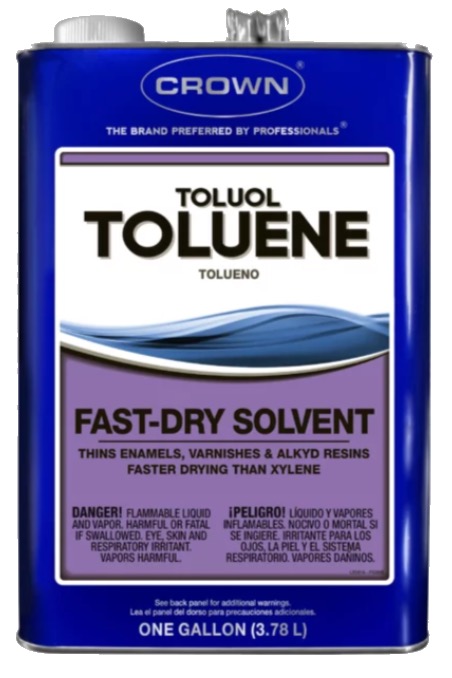 |
Crown Toluol (Toluene), Fast Drying Solvent, CR.TO, Professional Use-10/03/2024
Products in this Consumer Product Information Database (CPID) are classified based on their composition:
Substances: single chemicals
Preparations: products which contain chemicals that can be easily separated during normal use
Articles: products or product assemblies that do not contain chemicals that can be separated out from the product or assembly under normal or advertised use.
Classification: Substance
Indicates country where product is sold.
Market: US/CanadaPurpose of product.
Usage: Solvent and Cleaner and degreaserStructure such as solid, liquid, aerosol etc.
Form: liquidDate when validity of Material Safety Data Sheet (MSDS) or Safety Data Sheet (SDS) was last verified.
Date verified: April 24, 20251904 Mykawa Road
Pearland TX 77581
-
Chemical Composition/Ingredients
The GHS is an acronym for The Globally Harmonized System of Classification and Labelling of Chemicals. The GHS is a system for standardizing and harmonizing the classification and labelling of chemicals. Chemicals are associated with codes that define their health, physical and environmental hazards.This universal hazard communication system was developed to ensure that employers, employees and consumers are provided with adequate, practical, reliable and comprehensible information on the hazards of chemicals, so that they can take effective preventive and protective measure for their own health and safety.
Advanced
The GHS classifications for chemicals associated with products in this database may be viewed by selecting the "Advanced" button on the Chemical Ingredients tables. Since this is a work in progress, GHS classifications may not be shown for all chemical ingredients.-
-
Health Effects Information
Ingredients and Health Effects Information are taken from the manufacturer's product label and/or the Safety Data Sheet (SDS). Products are not tested and manufacturer's information presented here is not evaluated by DeLima Associates.
View Safety Data Sheet(SDS) Date that the Safety Data Sheet (SDS) was issued by manufacturer of a specific product.
SDS DATE :October 03, 2024 Health Flammability Reactivity HMIS is the Hazardous Materials Identification System developed by the American Coatings Association and indicates the levels (“1” to “4”) of Health Hazard, Flammability Hazard and Physical Hazard associated with a specific product.
HMIS RATING3* 3 0 -
Warnings
Hazard Statements
Danger. Highly flammable liquid and vapor. May be fatal if swallowed and enters airways. Causes skin irritation. May cause drowsiness or dizziness. Suspected of damaging the unborn child. May cause damage to the central nervous system via inhalation through prolonged and repeated exposure. Harmful to aquatic life with long lasting effects.
Precautionary Statements
General
Obtain, read, and follow all safety instructions before use.
Prevention
Keep away from heat, open flames and other sources of ignition. No smoking P233 - Keep container tightly closed. Ground and bond container and receiving equipment. Use explosion proof electrical, ventilating and lighting equipment. Use non-sparking tools. Take action to prevent static discharge. Do not breathe mist or vapor. Wash hands and other exposed skin areas thoroughly after handling. Use only outdoors or with adequate ventilation. Avoid release to the environment. Wear protective gloves, protective clothing and eye protection.
Response
IF SWALLOWED: DO NOT induce vomiting. Get emergency medical help immediately.
IF ON SKIN (or hair): Remove immediately all contaminated clothing. Rinse skin with water or shower. Take off contaminated clothing and wash before reuse.
IF INHALED: Remove victim to fresh air and keep at rest in a comfortable position for breathing. Call a POISON CENTER or doctor if you feel unwell.
If exposed or concerned, get medical advice.
In case of fire: Use water fog, foam, dry chemical or carbon dioxide for extinction.
Collect spillage.
Storage
Store locked up in a well-ventilated place. Keep container tightly closed. Keep cool.
Disposal
Dispose of contents and containers in accordance with national and local regulations. -
Acute health effects
From SDS:
Hazards Identification
Emergency Overview
Danger. Highly flammable liquid and vapor. May be fatal if swallowed and enters airways. Causes skin irritation. May cause drowsiness or dizziness. Suspected of damaging the unborn child. May cause damage to the central nervous system via inhalation through prolonged and repeated exposure. Harmful to aquatic life with long lasting effects.
Potential Health Effects
Eye Contact: May cause eye irritation with inflammation, discomfort, tearing and blurred vision. Vapor or mist can cause eye irritation.
Skin Contact: Causes skin irritation with localized redness, itching and discomfort. Prolonged contact with unprotected skin may cause defatting of the skin and dermatitis. May be harmful if absorbed through the skin.
Inhalation: Harmful if inhaled. Causes respiratory tract irritation. Inhalation of high concentrations (> 200 ppm) of toluene are clearly associated with central nervous system encephalopathy, headache, dizziness, nausea, drowsiness, depression, lassitude, (weakness, exhaustion), incoordination, transient memory loss and impaired reaction time. Extreme exposures may cause irregular heartbeats, which can be fatal.
Ingestion: Harmful if swallowed. Causes irritation of the digestive tract with nausea, vomiting, abdominal pain and diarrhea. May cause central nervous system depression characterized by excitement, followed by headache, dizziness, drowsiness and nausea. Advanced stages may cause collapse, unconsciousness, coma and possible death due to respiratory failure. May cause liver and kidney damage. This material can get into the lungs during swallowing or vomiting causing lung inflammation and chemical pneumonitis, which may be fatal. Symptoms of aspiration into the lungs include coughing, gasping, choking, shortness of breath, bluish colored skin, rapid breathing and rapid heart rate. -
Chronic health effects
From SDS:
Individuals with pre-existing skin conditions and respiratory disorders may be more susceptible to the effects of this product. Chronic skin contact may cause defatting, dermatitis or aggravate existing skin problems. Repeated exposure in combination with constant, loud noise can cause hearing loss and dizziness. Toluene abuse has been linked to kidney disease. Intentional abuse of toluene vapors has been linked to damage to the brain, liver, kidneys and to death. Repeated inhalation exposure of toluene to animals causes histological changes in the brain and degeneration of heart tissue. Effects may be delayed. Exposure to this product may harm the unborn child. Chronic hydrocarbon abuse has been associated with irregular heart rhythms and potential cardiac arrest. Intentional abuse of toluene has been linked to damage to the brain, liver and kidneys and can be fatal. -
Carcinogenicity
Toluene (CAS #108-88-3): IARC, Group 3 carcinogen - Not classifiable as to its carcinogenicity to humans. Not listed as a carcinogen by ACGIH, NTP or OSHA. Breathing high levels of toluene during pregnancy has been shown to result in children with birth defects and to retard mental abilities and growth. There is evidence that exposure to toluene at work is associated with spontaneous abortion.Case studies of persons abusing toluene suggest isolated incidences of adverse effects on the fetus including birth defects. Several studies of workers suggest long-term exposure may be related to small increases in spontaneous abortions and changes in some gonadotropic hormones. However, the weight of the evidence does not indicate toluene is a reproductive hazard to humans. Studies in laboratory animals indicate some changes in reproductive organs following high levels of exposure, but no significant effects on mating performance or reproduction were observed. In an epidemiologic study of toluene and pregnancy, occupational exposures to toluene were said to be associated with an increased incidence of renal, urinary, gastrointestinal and cardiac anomalies. Fetotoxicity (reduced fetal weight), behavioral effects (effects of learning and memory) and hearing loss (in males) were observed in the offspring of rats exposed to inhalation of toluene, in the absence of maternal toxicity. -
Handling information
Wear all appropriate personal protective equipment. Do not get in eyes or on skin or clothing. Do not inhale mist or vapor. NO SMOKING. If normal use of material presents a respiratory hazard, use only adequate ventilation or wear an appropriate respirator. Open containers slowly to control possible pressure release. Wash contaminated clothing and shoes thoroughly before reuse. Keep away from heat and sources of ignition. To avoid fire or explosion, dissipate static electricity during transfer by grounding and bonding containers and equipment before transferring material. Store in dry, cool, well-ventilated areas away from incompatible materials, food and drink. Keep away from heat and ignition sources. Transfer only to approved containers having correct labeling. Keep containers tightly closed when not in use. Protect containers against physical damage. Containers that have been opened must be carefully resealed and kept upright to prevent leakage. Containers are hazardous when empty as they contain product residue. Do not cut, drill, weld, braze, solder grind or perform similar operations on or near empty containers. Use appropriate containment to avoid environmental contamination. Ventilate closed areas. Do not take internally. Keep out of reach of children. -
Disposal information
The generation of waste should be avoided or minimized whenever possible. Empty containers or liners may retain some product residues. This material and its container must be disposed of in a safe way. Dispose of surplus and non-recyclable products via a licensed waste disposal contractor. Disposal of this product, solutions and any by-products should at all times comply with the requirements of environmental protection and waste disposal legislation and any regional local authority requirements. Avoid dispersal of spilt material and runoff and contact with soil, waterways, drains and sewers.
-
California Prop. 65 Warning
This product will expose you to Toluene, which is known to the state of California to cause birth defects or reproductive harm. This product may expose you to Benzene (< 1,000 ppm), which is known to the state of California to cause cancer.
-
First Aid
Eye Contact: Immediately flush eyes with large amounts of water or saline solution for at least 15 minutes, occasionally lifting the upper and lower lids. Remove contact lenses, if present and easy to do, after first 2 minutes and continue rinsing. If irritation persists seek medical attention, preferably from an ophthalmologist.Skin Contact: Flush skin with large amounts of water while removing contaminated clothing. Wash the affected area with soap and water followed by thorough rinsing. Wash contaminated clothing and shoes before reuse. If irritation persists, seek medical attention.Inhalation: If product mist or vapor causes respiratory irritation or distress, move the exposed person to fresh air immediately. If breathing is difficult or irregular, administer oxygen; if respiratory arrest occurs, start artificial respiration by trained personnel. If unconscious, maintain an open airway. Loosen tight clothing such as a collar, tie, belt or waistband. If symptoms persist or if the victim feels unwell, seek medical attention.Ingestion: Rinse mouth with water if the victim is conscious. Remove dentures if present. DO NOT induce vomiting unless directed to do so by medical personnel. Vomiting may occur spontaneously. To prevent aspiration of material into the lungs, lay the victim on one side with the head lower than the waist. Never give anything by mouth to an unconscious or convulsing person. Do not leave the victim unattended. Seek immediate medical attention.
-
 CoC List
 UN Global Harmonization Classification


